


Many people new to tea ware often think: Isn’t Jianzhan just a black teacup? It looks not much different from ordinary ceramic teacups, glass cups or white porcelain cups on the market.
But those who truly understand tea ware, love handmade artifacts, or collect overseas tea ware know well: Jianzhan and ordinary teacups are not in the same category at all.
One is a mass-produced daily necessity, and the other is a thousand-year-old intangible cultural heritage handmade art tea ware. Today, we will explain the essential differences between Jianzhan and ordinary teacups from six core dimensions: raw materials, craftsmanship, patterns, taste, uniqueness, and collection value.
I. Raw Material & Clay: Essentially Different by Nature
Ordinary Teacups
Most are made of general kaolin or ordinary pottery clay, which can be purchased all over the country. The material is highly homogeneous, with thin walls and low density. The cost is low, making it suitable for large-scale machine production.
Jianzhan
It must use unique high-iron ore clay exclusive to Jianyang, Fujian, whose iron content is much higher than that of ordinary pottery clay. This special clay is the soul of Jianzhan, endowing it with a thick body, dark gray to black color, strong air permeability and adsorption. Without the local raw materials from Jianyang, it is impossible to make authentic Jianzhan.
II. Firing Craftsmanship: Ancient Handmade VS Mass Machine Production
Ordinary Teacups
They are fully produced by mechanized assembly lines: mold forming, machine glazing, and low-temperature rapid firing. One can be formed in a few seconds, and thousands can be mass-produced in a day. The process is simple and the cost is extremely low.
Jianzhan
It follows the thousand-year-old ancient methods, going through dozens of purely handmade processes such as clay kneading, throwing, trimming, glazing, kiln loading, and high-temperature firing. The firing temperature is as high as 1300°C or above, divided into wood-fired and gas-fired methods. It is greatly affected by kiln temperature, atmosphere and fire control, with an extremely low qualified rate. It is difficult to produce one kiln of fine products out of ten, which is time-consuming and labor-intensive, and cannot be mass-produced by assembly lines at all.
III. Glaze Patterns: Natural Kiln Transformation VS Artificial Printing
Ordinary Teacups
All surface patterns aredecals, printed patterns or machine hand-painted. The patterns are fixed and uniform, designed and printed artificially. The styles can be copied infinitely, lacking natural vitality.
Jianzhan
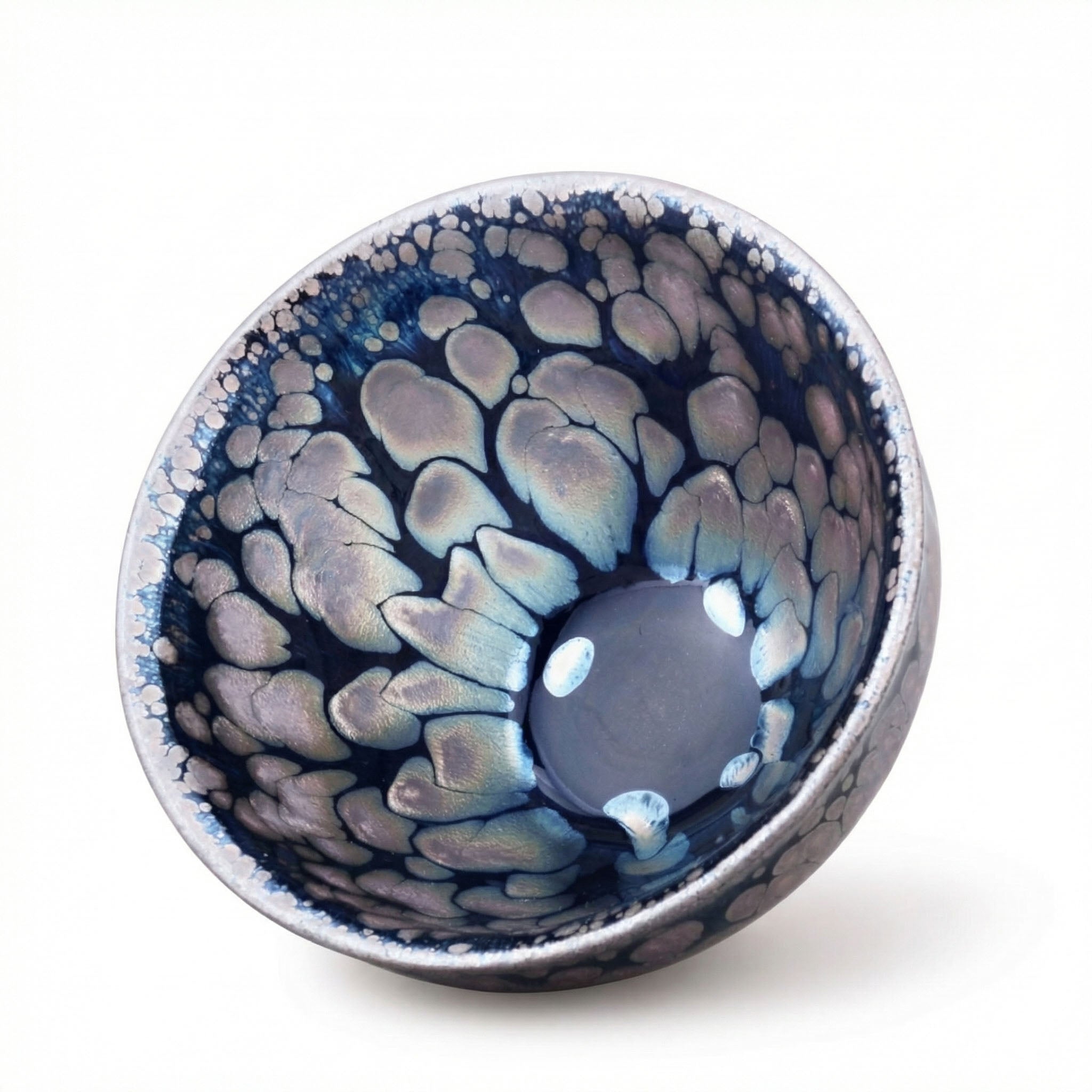
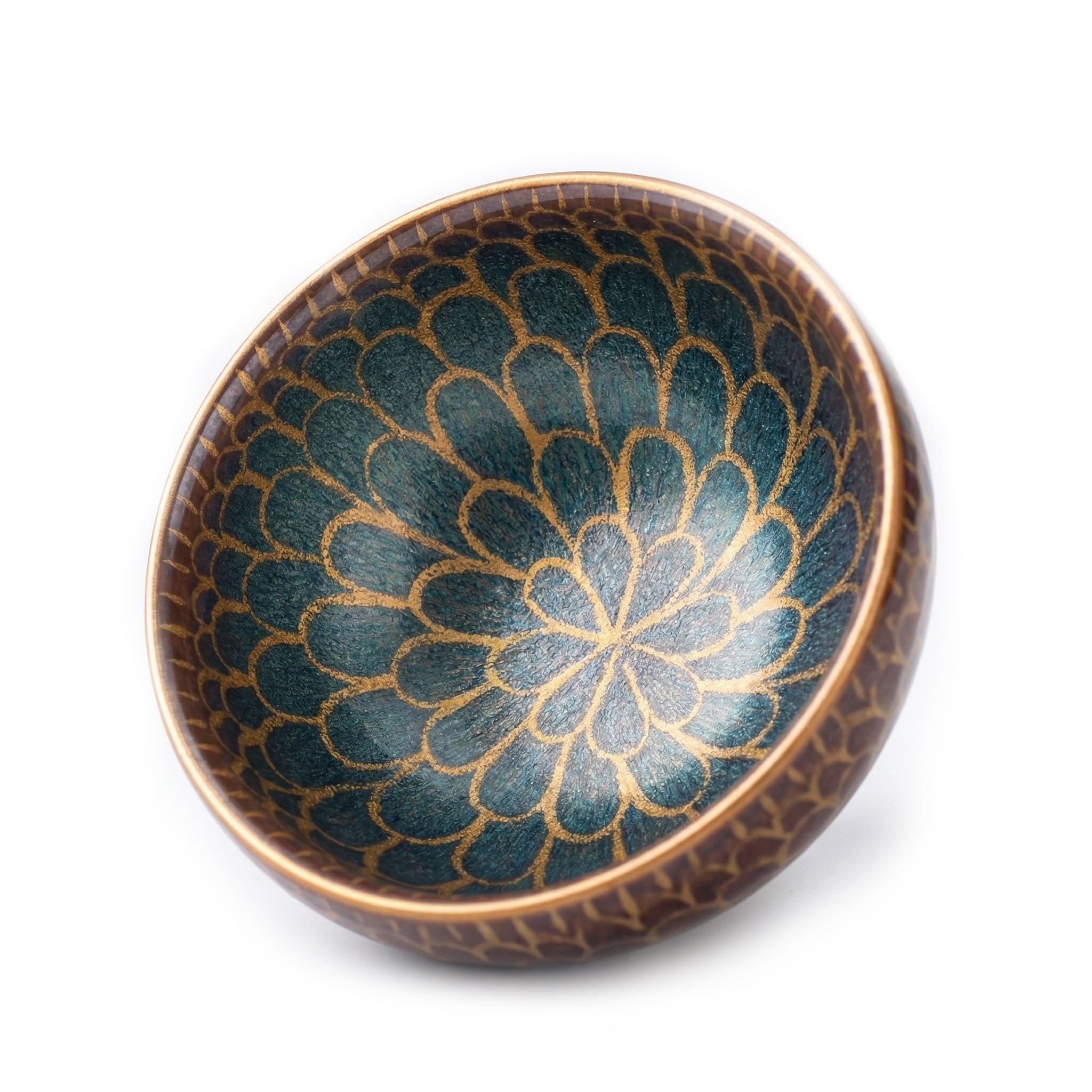
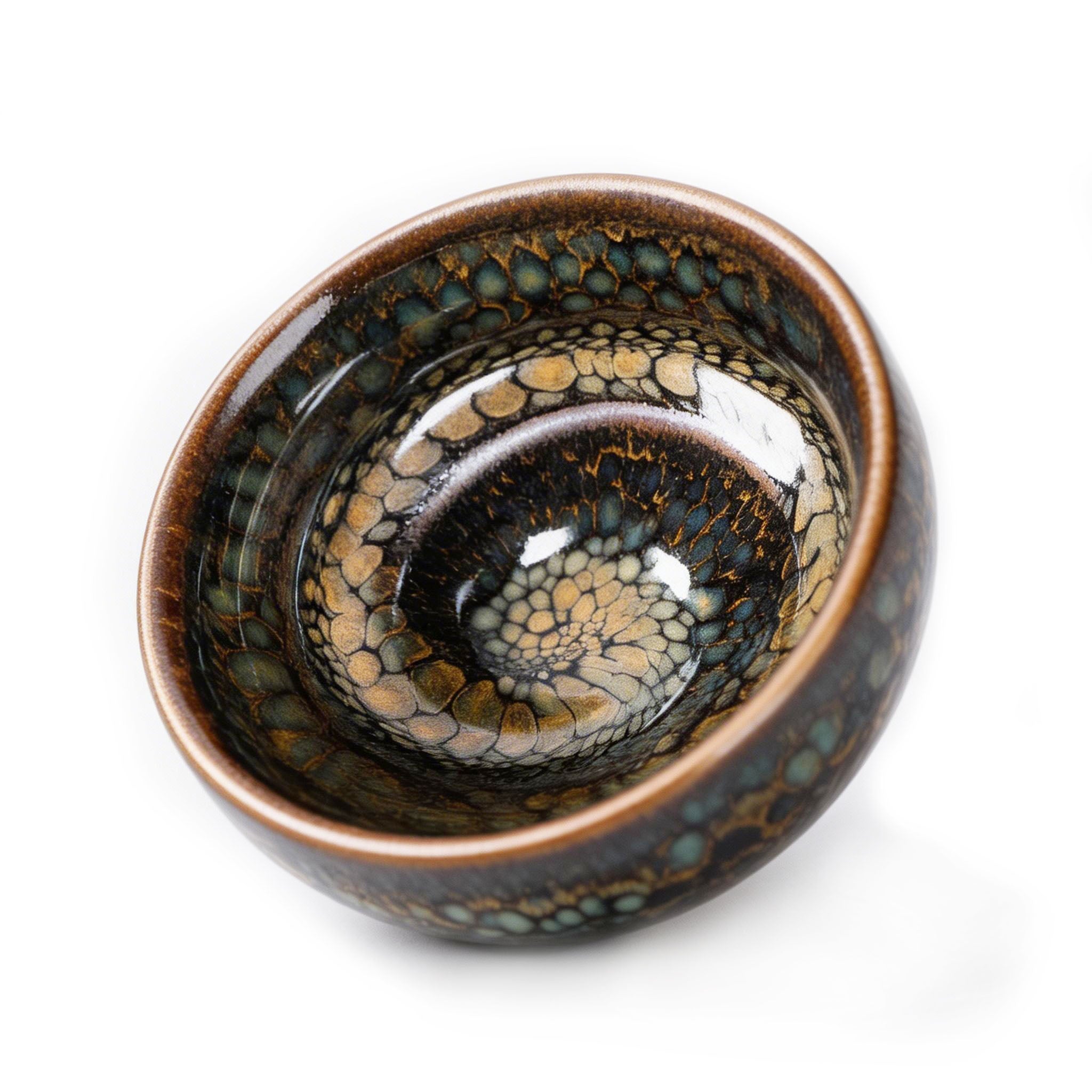
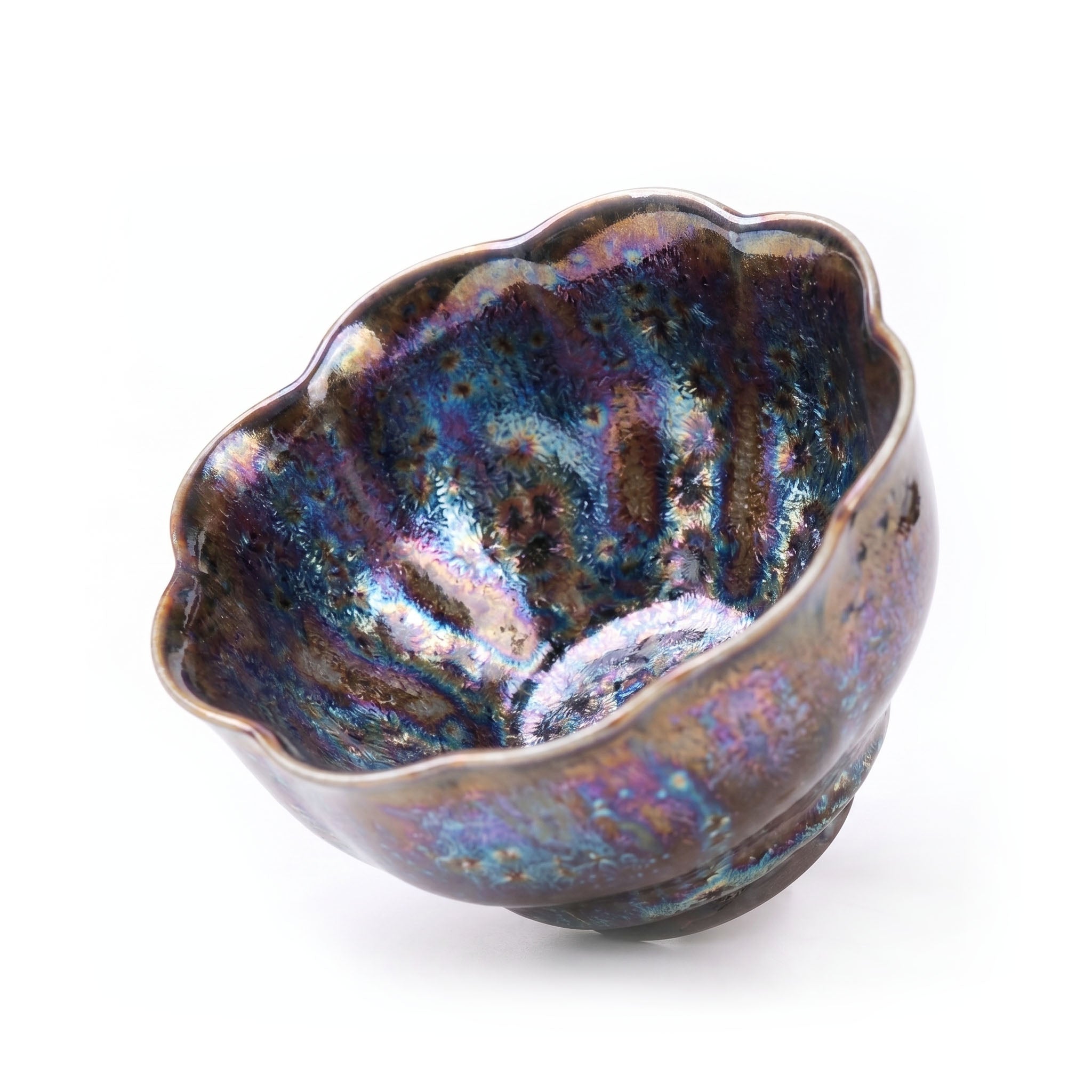
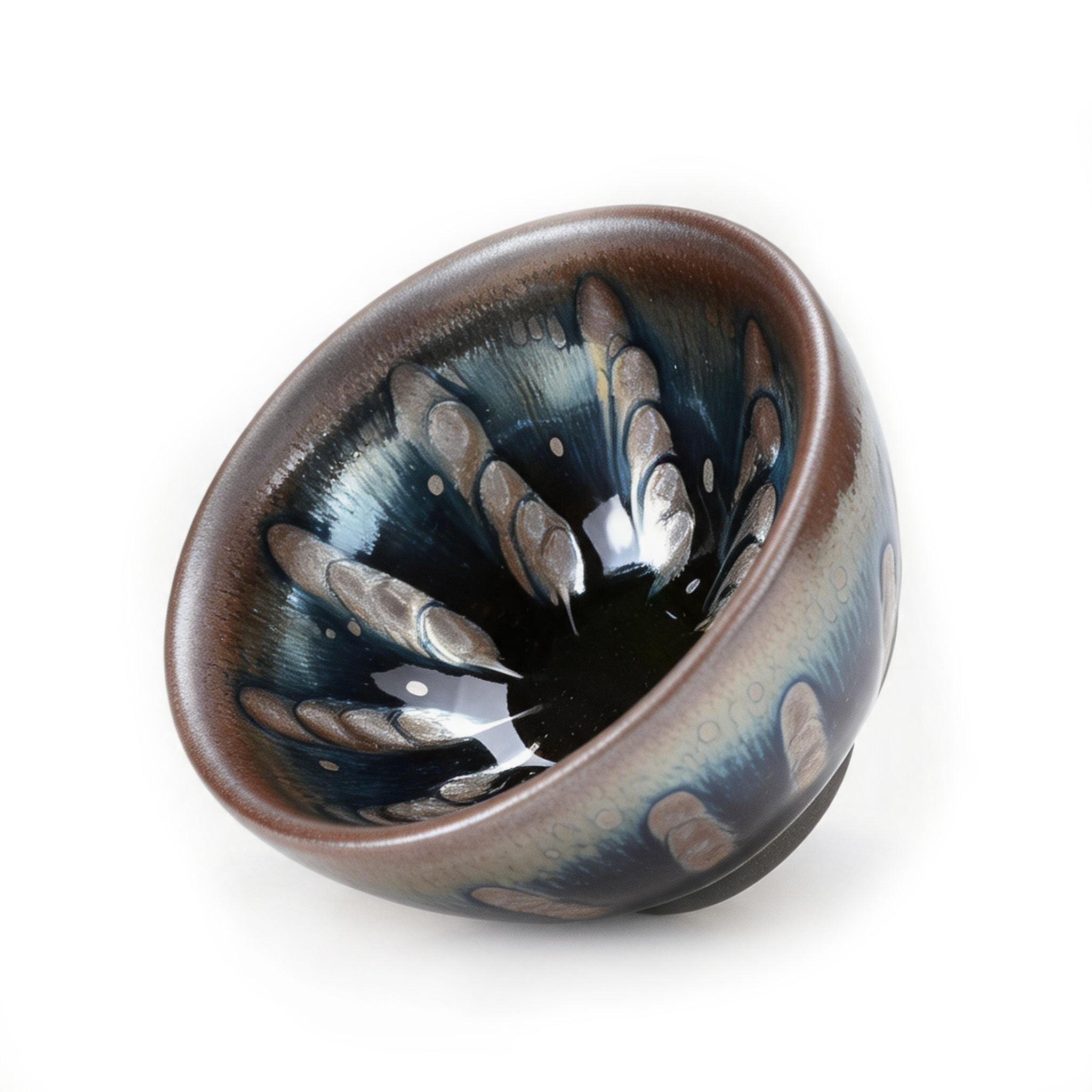
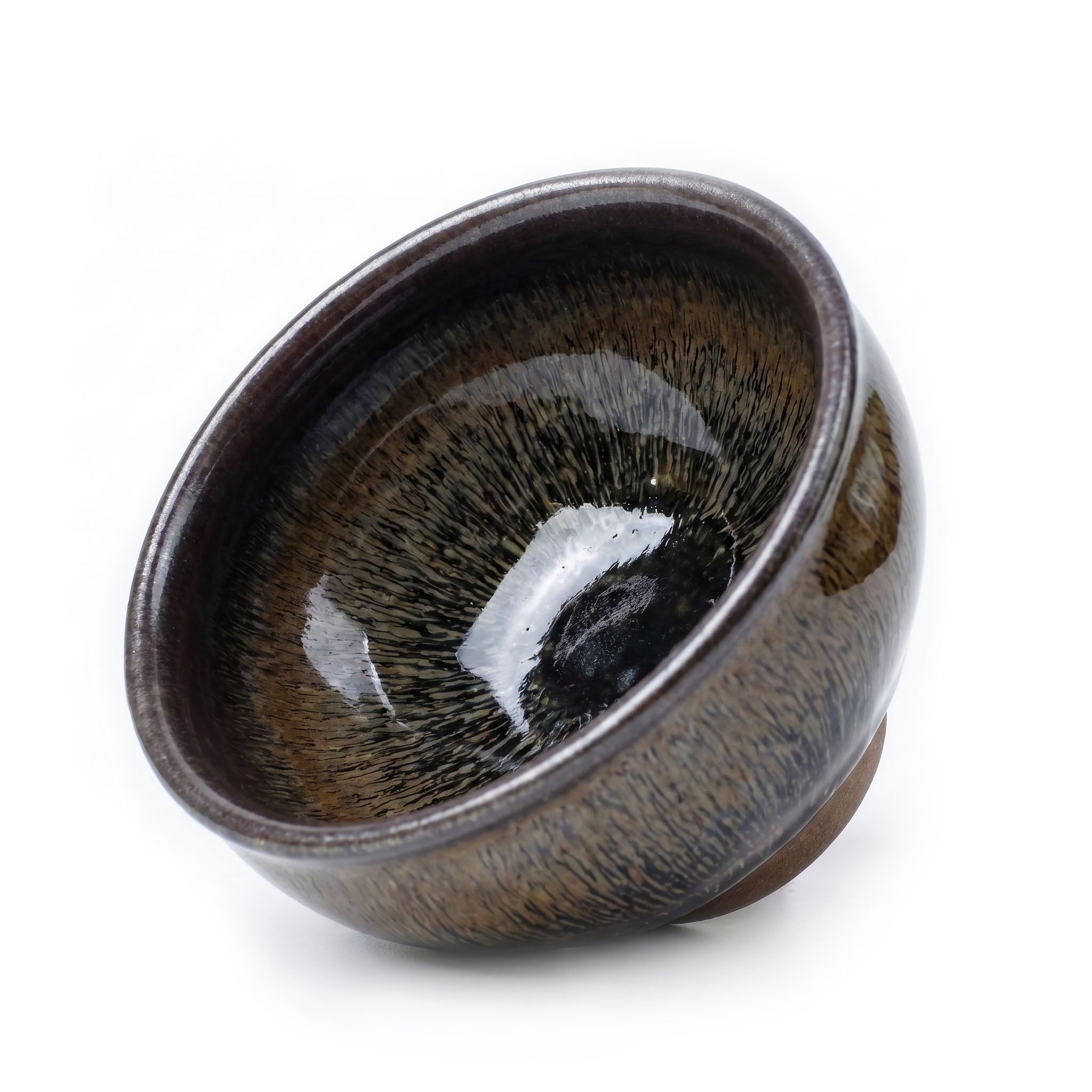
There is no artificial painting or sticker decoration at all. All textures such as rabbit hair veins, oil drop spots, partridge spots and rare Yaobian kiln glow are formed by natural kiln transformation during high-temperature firing. They are formed by the natural flow and crystallization of mineral glaze in intense fire, which is casual, vivid and natural. This kind of natural beauty can never be imitated by machines.
IV. Product Attribute: One-of-a-Kind VS Identical
Ordinary Teacups
Thousands of pieces of the same style and color are exactly the same, with no differences at all. They are just standardized daily necessities.
Jianzhan
There are no two identical Jianzhan in the world.
Even if made by the same craftsman, with the same batch of raw materials and fired in the same kiln, the shape, glaze color, texture and light spots will have subtle differences. Each Jianzhan is a unique piece with exclusive texture and temperament, which is the core reason why it can become a collectible artifact.
V. Drinking Experience: Obvious Differences in Taste & Heat Retention
Ordinary Teacups
With thin walls and fast heat dissipation, they have poor heat retention. They can only be used to hold water and tea, without any improvement on the taste of tea soup, which becomes plain after drinking for a long time.
Jianzhan
With a high-iron and thick body structure, it hasexcellent heat retention and aroma locking ability, which can lock the temperature and aroma of tea soup for a long time. The natural mineral glaze can also soften water quality and reduce the astringency of tea. Whether brewing oolong tea, black tea, Pu’er tea, or drinking coffee and herbal tea, the taste will be much warmer and mellow than that in ordinary teacups.
VI. Value Positioning: Daily Consumable VS Cultural Collectible
Ordinary Teacups
They are daily consumables, affordable and easy to replace. They have no cultural heritage or appreciation space. They can be replaced at any time when they are old, and only have basic use functions.
Jianzhan
It is a national intangible cultural heritage, carrying the thousand-year-old tea culture of the Song Dynasty, and was once a royal exclusive tea ware. Handmade Jianzhan by famous artisans has multiple values of practicality, aesthetics, culture and collection. The older it is and the better its quality, the more collection and inheritance significance it has. It is also a high-end choice for overseas gifting, business gifts and home art decorations.
Conclusion
To sum up in one sentence:
Ordinary teacups are just containers for drinking water; Jianzhan is an Eastern handmade art tea ware that can be used daily, appreciated, collected and passed down.
If you pursue the ritual sense of drinking tea, like unique handmade artifacts, and want tea ware with both appearance and connotation, Jianzhan is always an irreplaceable choice for ordinary teacups.
Share:
What is Jianzhan? A Complete Beginner’s Guide to Eastern Black Glaze Tea Ware
Why Did Jianzhan Become Royal Exclusive Tea Ware in the Song Dynasty