


Introduction
Among all ancient Chinese tea wares, Jianzhan stands out uniquely as the exclusive royal treasure of the Song Dynasty. It was deeply loved by emperors, respected by nobles, and admired by literati. While countless porcelain and ceramic cups prevailed at that time, only Jianzhan was selected as the top royal tea ware.
What made Jianzhan surpass all other tea wares and gain supreme honor in the Song Dynasty? The answer lies in the era’s tea custom, exclusive visual advantage, natural artistic charm, rare firing craftsmanship, and high recognition from imperial elites.
1. Prevailing Tea Competition Culture Perfectly Matches Jianzhan’s Black Glaze
The Song Dynasty was the peak of Chinese tea culture, and tea whipping and tea competitions became the most popular social custom among royals and scholars.
In tea contests, people whipped tea into dense white foam and judged the tea quality by the lasting time of foam and the color of tea soup. Ordinary white porcelain or celadon cups could not set off the white tea foam clearly.
Jianzhan’s deep pure black glaze formed the perfect contrast background. It fully highlights the snow-white foam and the clear tea liquor color, making it the optimal choice for appreciating tea and competing in tea games. No other tea ware could replace this natural visual advantage, laying the foundation for Jianzhan to enter the royal court.
2. Natural Kiln Transformation Glaze: A Heavenly Art Fit for Royalty
What amazed the Song royal family most was Jianzhan’s unrepeatable natural glaze patterns.
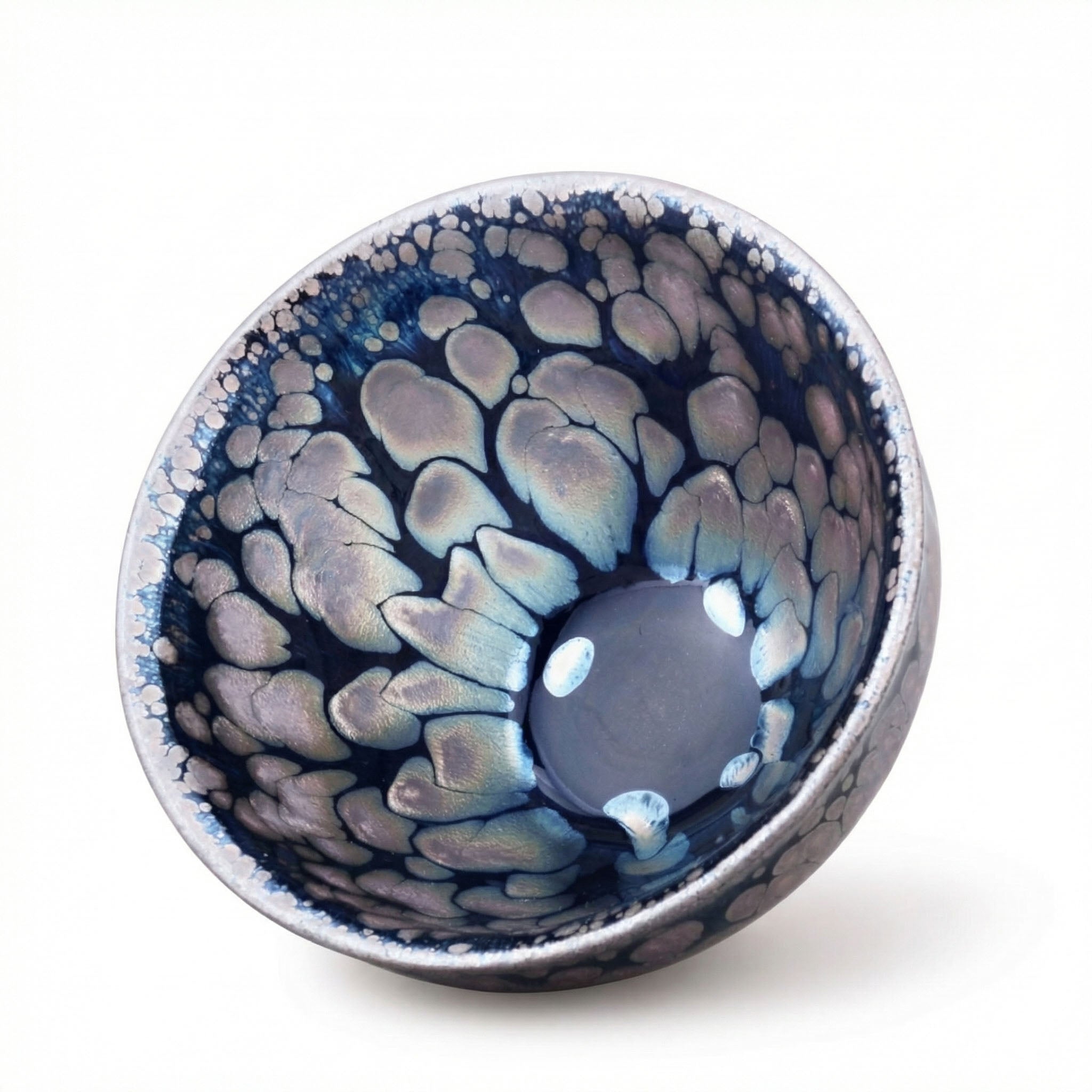
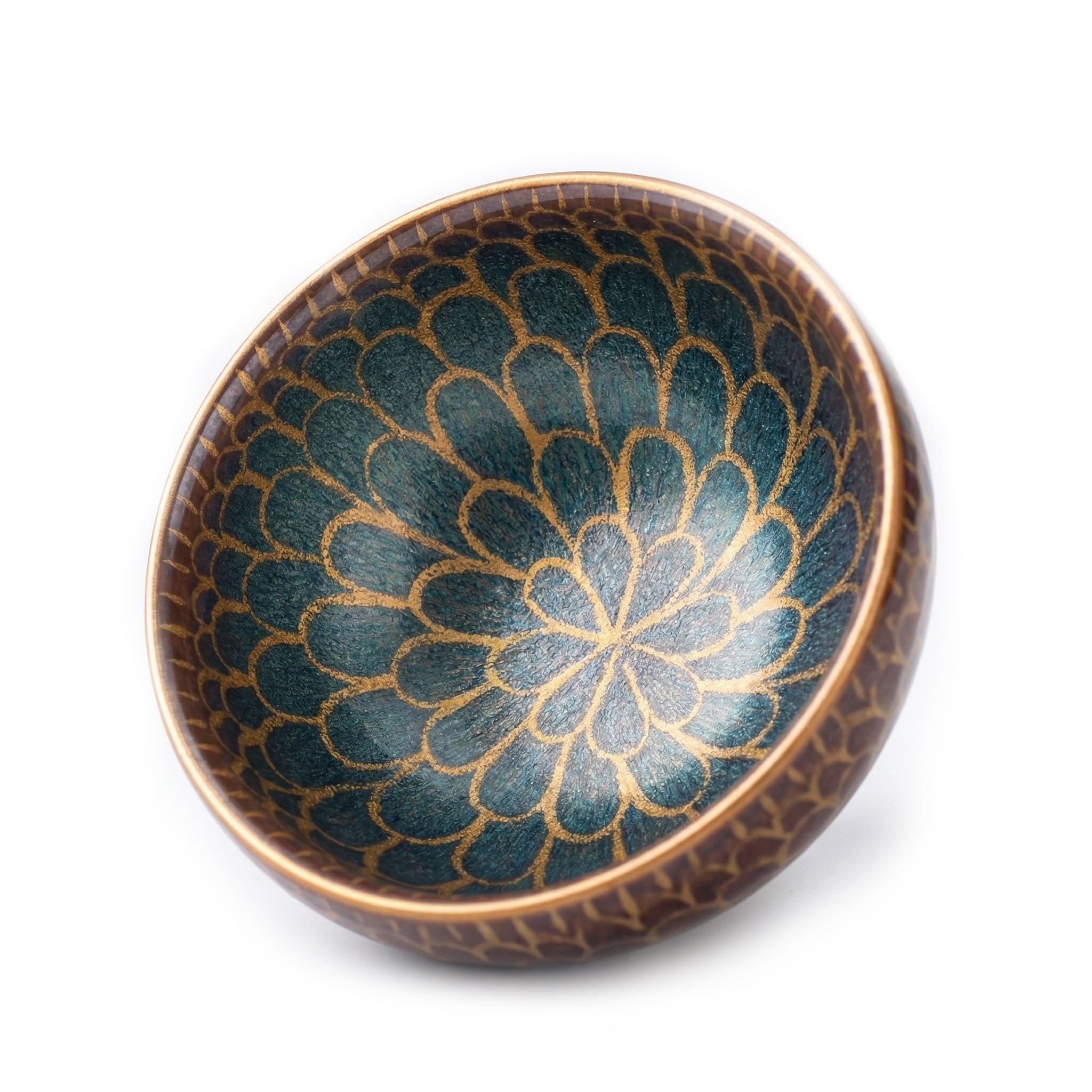
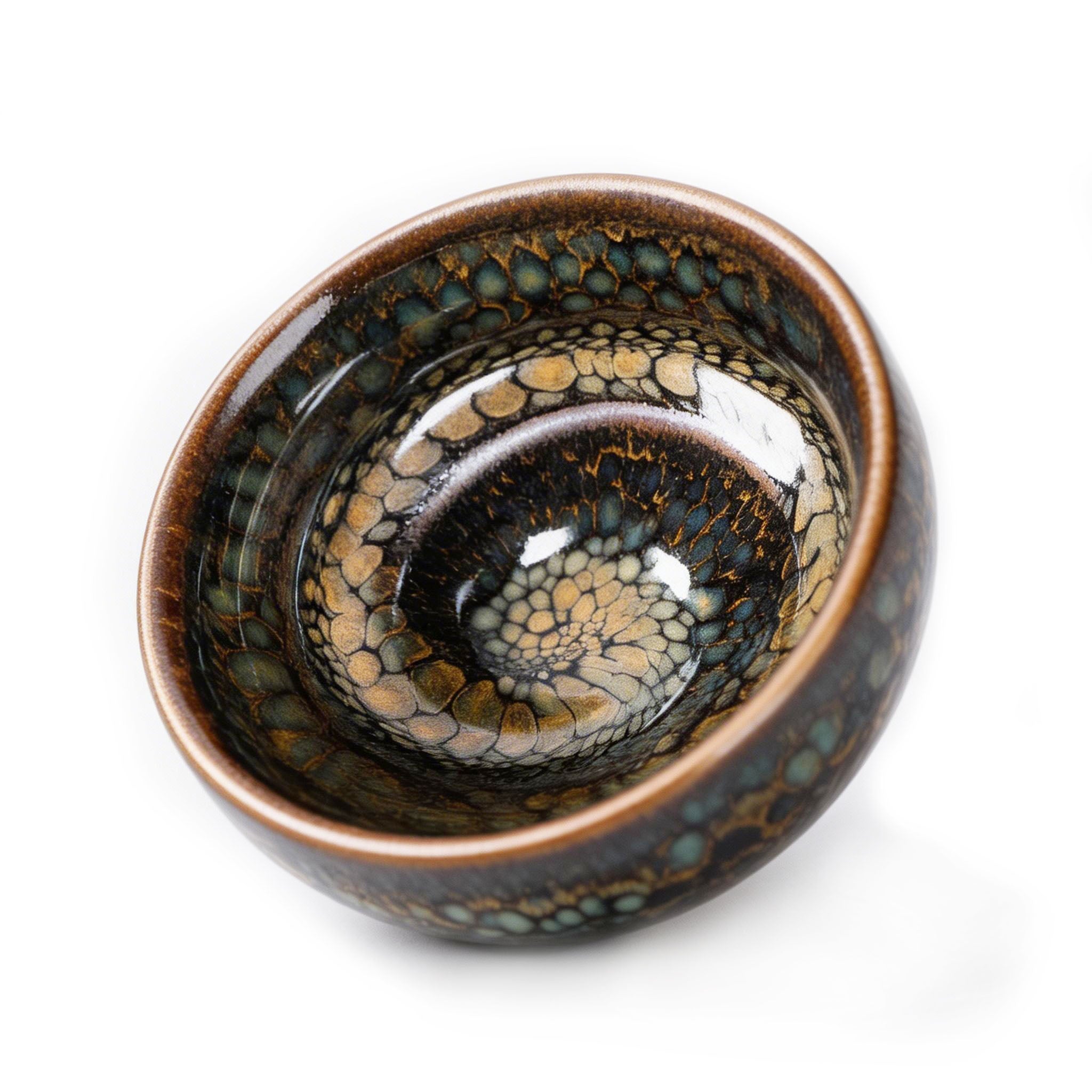
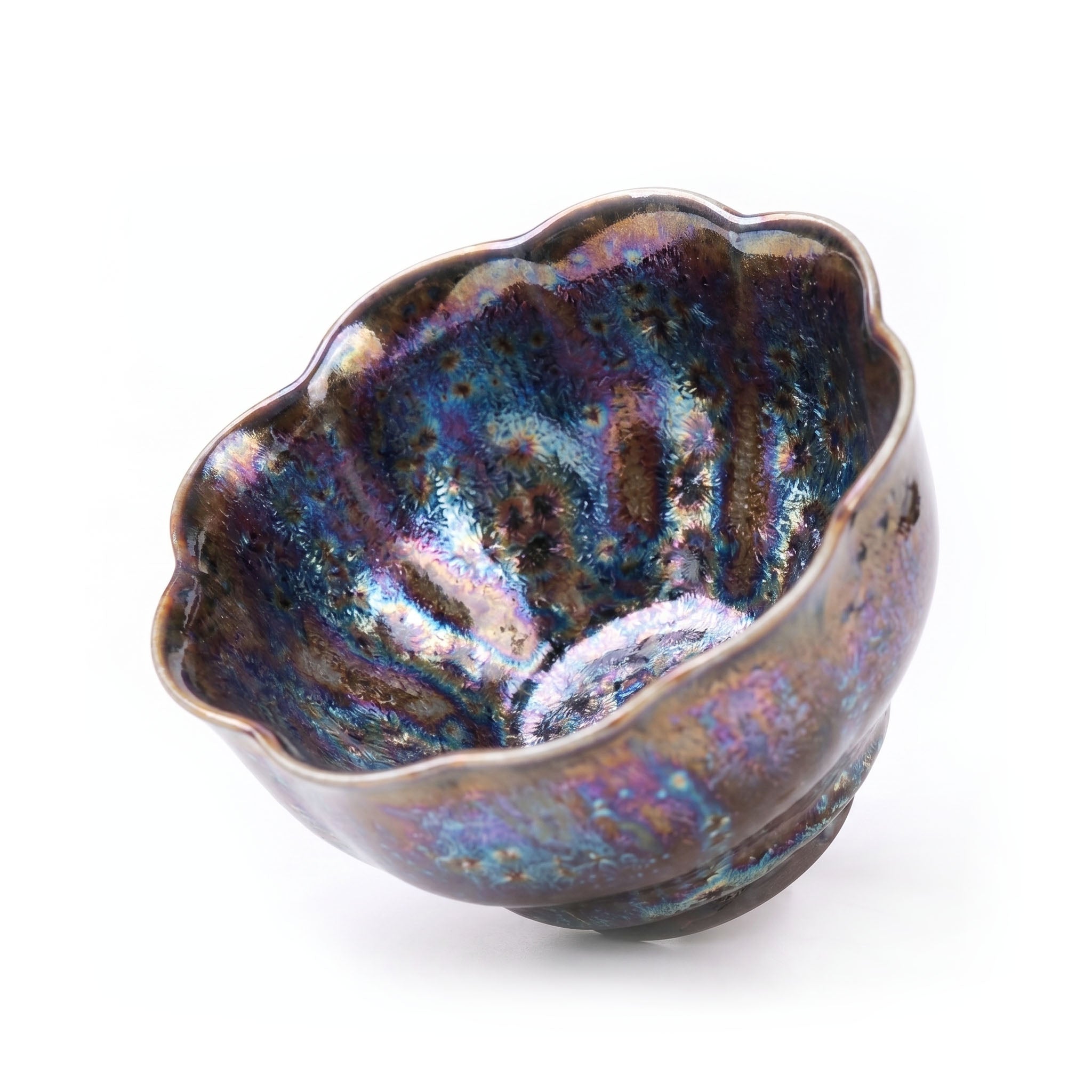
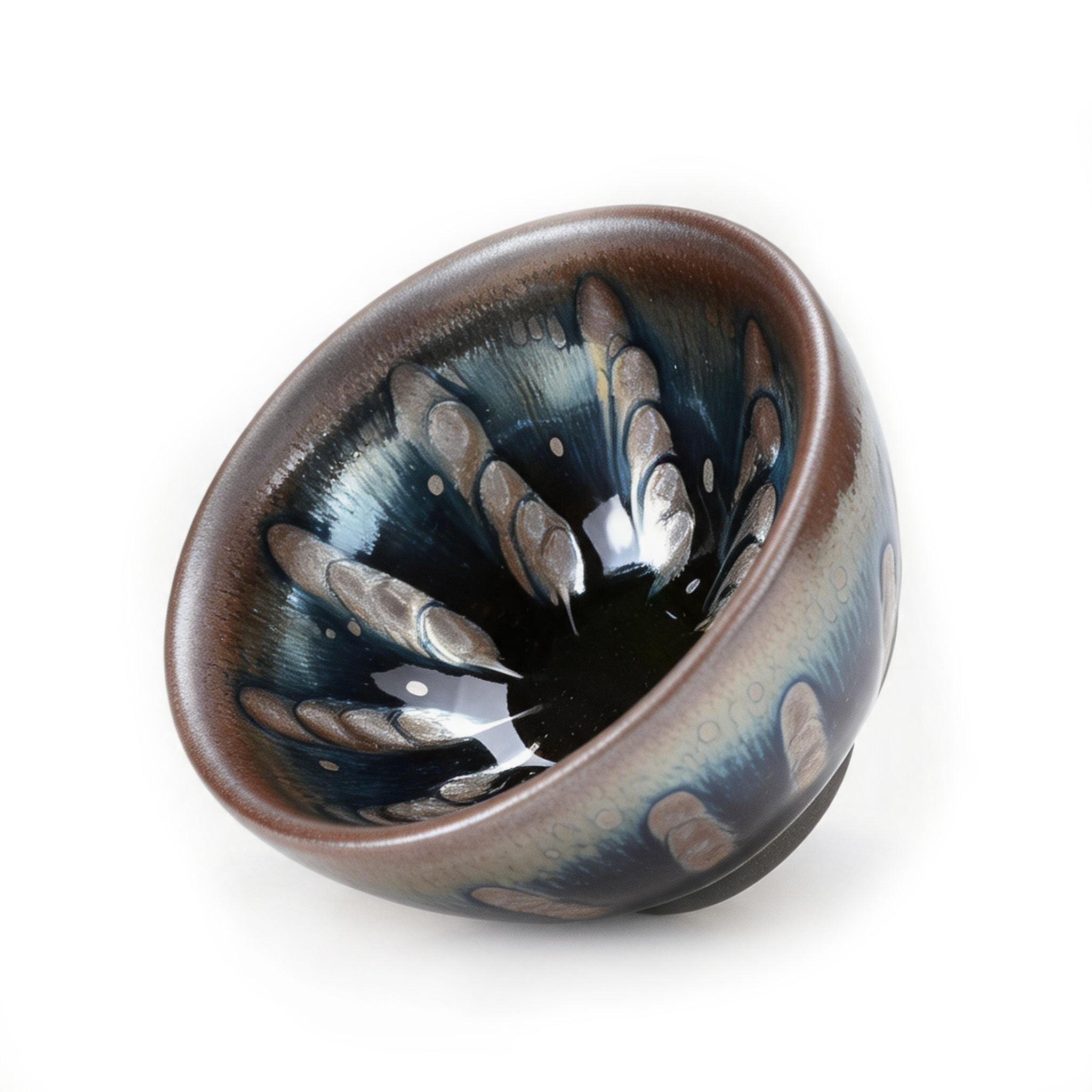
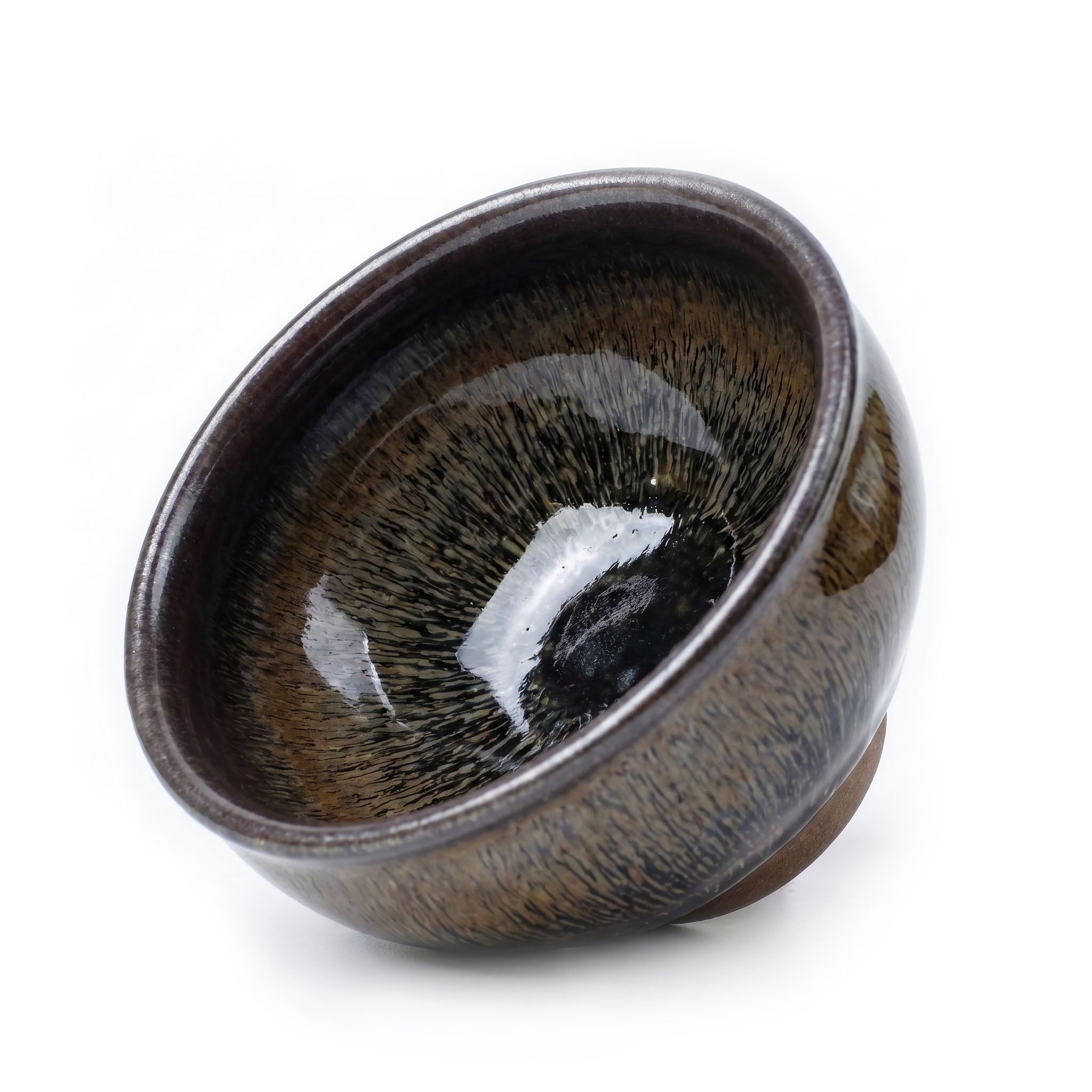
Made of unique iron-rich clay from Jianyang and fired above 1300°C, Jianzhan produces natural textures such as rabbit hair glaze, oil drop spots, partridge spots and rare yaobian kiln glow during high-temperature firing. These patterns are not manually painted or printed; they are shaped by the natural flow and crystallization of mineral glaze in the kiln.
Every Jianzhan is one-of-a-kind, with unpredictable and vivid natural aesthetics. The royal family admired natural and uncarved beauty, and Jianzhan’s heavenly craft was regarded as a noble artwork worthy of royal collection.
3. Ultra-Low Yield Rate Makes It Rare and Precious for Royal Use
Royal utensils have always pursued scarcity and nobility, and Jianzhan’s firing craftsmanship perfectly fits this standard.
Authentic ancient Jianzhan followed complicated handmade procedures, including kneading clay, throwing, trimming, glazing and wood-firing. The firing effect was easily affected by kiln temperature, air flow and fire control. The qualified rate of fine Jianzhan was extremely low—only a few fine pieces could be produced from an entire kiln.
Mass-produced ordinary teacups were too common for nobles, while Jianzhan’s rarity, time-consuming craft and low output made it a luxury exclusive to the royal family and high-ranking officials.
4. Imperial Praise and Literati Endorsement Elevated Its Status
Jianzhan’s royal status was further consolidated by the highest praise from Emperor Huizong of Song, a great lover of tea and art. He highly praised Jianzhan’s glaze and tea-tasting effect, and officially designated Jianzhan as royal special tea ware.
Under the influence of the emperor, nobles, scholars and literati all followed the trend. They collected, appreciated and used Jianzhan, making it a symbol of status, taste and literary accomplishment. With the joint endorsement of the imperial court and literary circles, Jianzhan firmly locked its position as Song royal tea ware.
5. Superior Practical Performance for Tea Tasting
Beyond aesthetics and status, Jianzhan also has outstanding practical advantages. Its thick iron body features excellent heat retention and aroma locking performance. It can keep the tea warm longer and release the rich tea aroma fully.
The natural mineral glaze can soften the water quality and balance the astringency of tea, bringing a mellow and smooth drinking experience. For the royal family who pursued exquisite tea tasting rituals, Jianzhan’s practicality was far better than ordinary porcelain tea cups.
Conclusion
Jianzhan became the royal exclusive tea ware of the Song Dynasty not by chance, but by perfect timing and inherent strength.
It matched the Song Dynasty’s tea competition culture with its classic black glaze, conquered the royal aesthetic with natural kiln transformation patterns, owned noble scarcity with its low-yield handmade craft, and gained supreme status with imperial and literati praise.
Today, thousands of years later, Song Jianzhan is no longer exclusive to royalty. It inherits ancient craftsmanship and Eastern tea culture, becoming a beloved handmade art tea ware for tea lovers, collectors and cultural enthusiasts all over the world.
Share:
What Are the Core Differences Between Jianzhan and Ordinary Teacups?
Beginner’s Must-Know: 5 Basic Essential Facts About Jianzhan